
News
RSS
Texas Sues OpenAI, Challenging ChatGPT's Safety Claims
Texas alleges deceptive safety claims and failures to protect minors, seeking civil penalties, a ChatGPT ban for minors, and approval of new model releases.
Meta’s Data Control Promises Found Misleading
New Mexico’s Meta judgment and jury findings examine the gap between promises of user control, third-party data access, and remediation capabilities.
Emirates Fined EUR 180,000 over Health Data Notices and Retention
Italy fined Emirates for inadequate MEDIF privacy information and seven-year health data retention. The decision requires clearer notices and revised retention periods.

OAIC Opens Investigation into the HeyCyan Smart Glasses App
Australia’s privacy regulator is investigating HeyCyan. This article explains how device, app and cloud data flows affect duties to wearers and bystanders.
Ofcom Fines Xgroovy £730,000 for Age-Check and Information Failures
Ofcom has fined Xgroovy for age assurance and information request failures. The case raises questions about age-check implementation and investigation duties.
Brazil Fines TikTok Over Minors’ Data Processing
Brazil’s ANPD fined ByteDance BRL 153.7 million over TikTok’s handling of minors’ data, citing weak legal bases, age controls, and safeguard evidence.
Uber Fined Nearly €825 Million Over Automated Driver Deactivations
Dutch regulator fines Uber nearly €825 million over automated driver deactivations. We examine the facts, legal grounds and effective human review.
FTC Sues Hims & Hers Over Health Data Sharing
The FTC alleges that Hims & Hers shared sensitive health information with ad platforms despite its privacy claims and without clear disclosure.

Privacy Alert | Vietnam’s Personal Data Protection Law (PDPL) Officially Enacted
Vietnam’s Personal Data Protection Law (PDPL), enacted in June 2025 and effective from January 1, 2026, establishes a comprehensive national framework for personal data protection, replacing the 2023 Decree No. 13/2023/NĐ-CP. Applicable to both domestic and foreign entities processing Vietnamese citizens’ or residents’ data, the PDPL introduces strict penalties (up to 10 times illegal proceeds for data trading or 5% of annual revenue for cross-border violations), a narrow “legitimate rights and interests” processing basis, and exemptions for micro-enterprises. It mandates explicit consent, data processing and transfer impact assessments (DPIA and TIA), and robust data subject rights, including access, correction, and deletion. Enterprises must implement consent mechanisms, data security measures, and compliance with data localization under the Cybersecurity Law, with specific rules for sensitive data like children’s or health information, and a 72-hour breach reporting requirement.

Privacy Bulletin: SHEIN SMS Violates Do-Not-Call Directive, Faces Class Action Lawsuit
On July 12, 2025, a class action lawsuit was filed against SHEIN for allegedly violating the Telephone Consumer Protection Act (TCPA) by sending marketing text messages to numbers listed on the National Do-Not-Call Registry without prior consent. The plaintiff, whose number was registered in April 2025, continued receiving promotional texts in June, well past the required 31-day buffer. The case emphasizes that TCPA rules apply not only to calls but also to automated SMS marketing, requiring companies to prove consent, honor opt-outs, and now comply within 10 business days following an FCC order in April 2025. This lawsuit highlights stricter enforcement of consumer privacy protections against unsolicited marketing communications.

South Korea Fines Meta for Violating Personal Data Laws
South Korea's Personal Information Protection Commission fined Meta 21.6232 billion KRW for improperly collecting and processing sensitive user information, denying access requests, and causing a data leak. The Commission ordered Meta to implement stronger data protections and ensure lawful handling of sensitive data.
FTC Enforces New "Click to Cancel" Rule for Subscription Cancellations
The FTC's new “Click to Cancel” rule mandates businesses to simplify subscription cancellations, making them as straightforward as the sign-up process.
Kaamel is Now SOC 2 Compliant
We at Kaamel Technology are pleased to share the news that we have recently completed our System and Organization Controls (SOC) 2 Type II Audit.

Oracle Reaches $115 Million Settlement Over Data Privacy Lawsuit, Commits to Stricter Data Protection Measures
Oracle has proposed a $115 million settlement to resolve a class action lawsuit accusing the company of unlawfully collecting and selling users' data without consent.

U.S. IoT Cybersecurity Label Takes Effect to Strengthen Device Security and Consumer Trust
On September 9, the U.S. IoT Cybersecurity Label, known as the "Cyber Trust Mark," came into effect to enhance the security of consumer IoT devices.

FTC Settles with Verkada Over Data Breach and CAN-SPAM Violations for $2.95 Million
On August 30, the U.S. Federal Trade Commission (FTC) settled with security company Verkada, which will pay a $2.95 million penalty and implement stronger security measures following a lawsuit from the Department of Justice (DOJ).
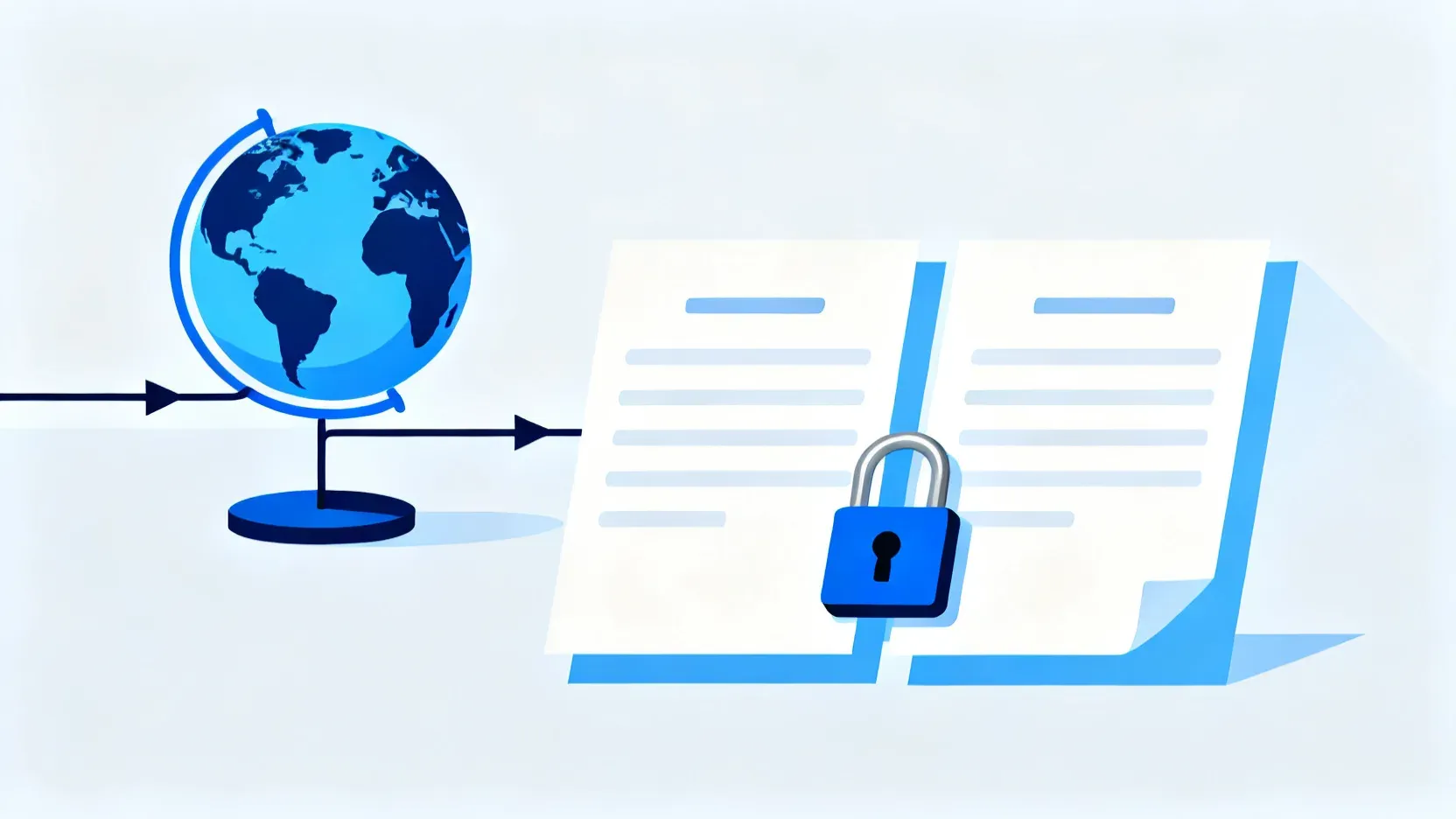
Brazil's ANPD Approves New International Data Transfer Regulation and SCCs
On August 23, Brazil's National Data Protection Authority (ANPD) approved new regulations on international data transfers, including the adoption of Standard Contractual Clauses (SCCs) as a legal mechanism. These regulations require companies to ensure compliance with Brazil's LGPD and implement transparency measures for cross-border data transfers.

Kaamel Recognized for Bridging Privacy Compliance Gaps in Adweek Report
Kaamel was recently featured in an Adweek report for its work in data privacy and security. The article discusses the widespread use of cookies and similar tracking technologies, highlighting the challenges companies face in complying with global privacy regulations like GDPR and CCPA.
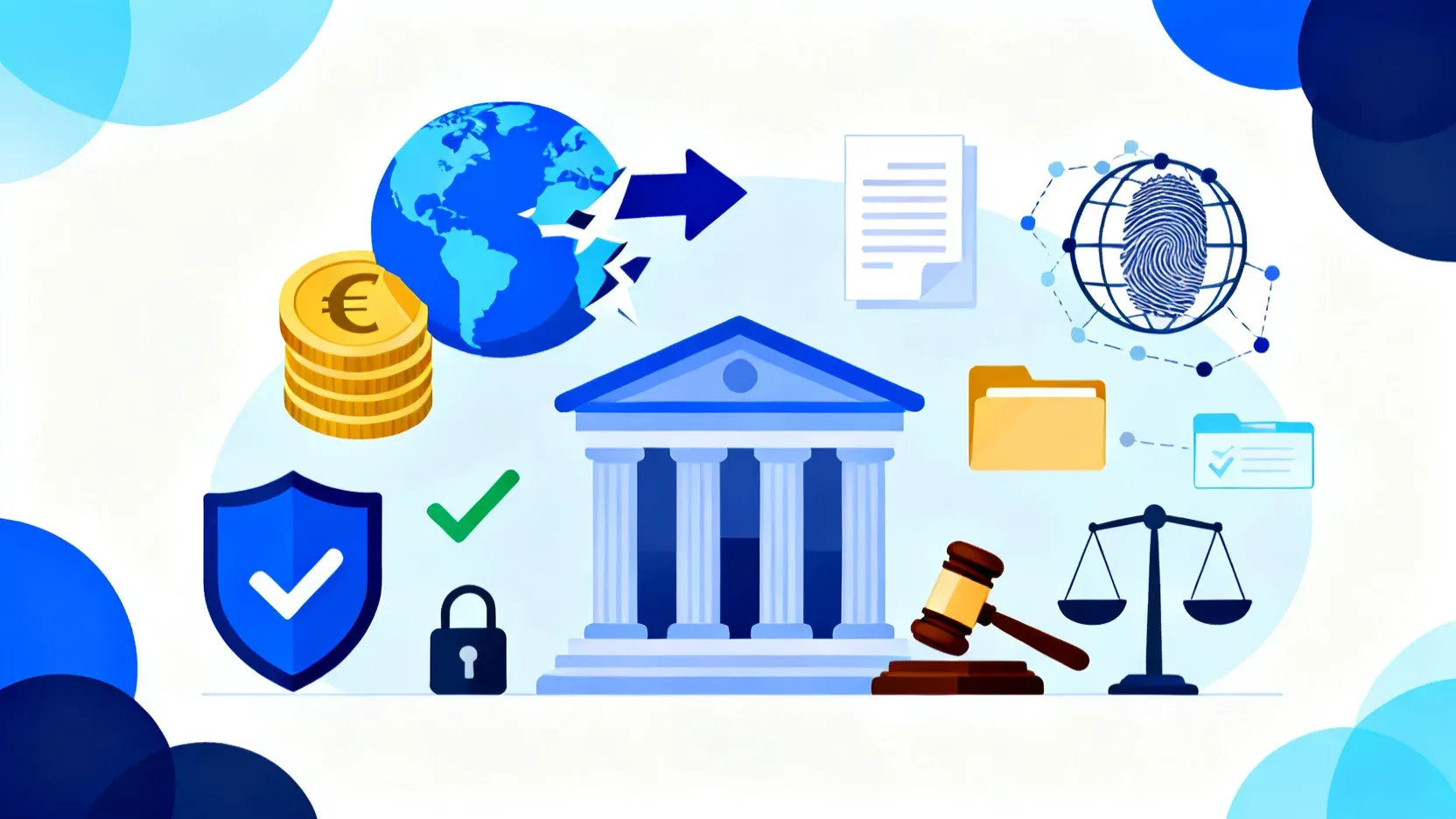
Dutch Data Protection Authority Fines Uber €290 Million for Illegal EU Data Transfers to the U.S.
The Dutch Data Protection Authority (AP) has imposed a record €290 million fine on Uber for illegally transferring the personal data of EU drivers to the United States without adequate safeguards. This marks the third penalty against Uber by the AP, following an investigation triggered by complaints from French drivers.
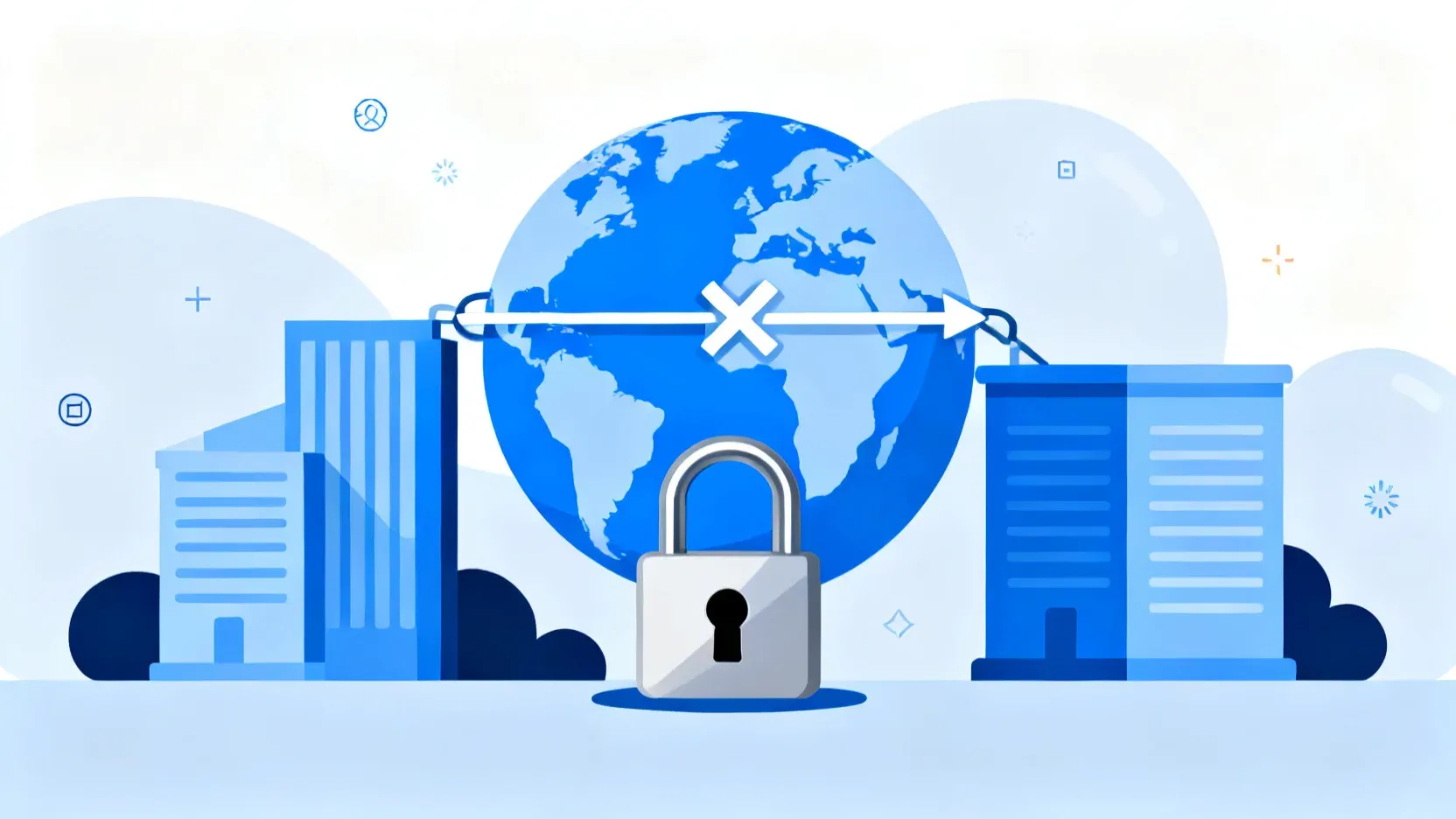
South Korea’s FSS Investigates Kakao Pay for Unauthorized Data Transfers to Alipay
The Financial Supervisory Service (FSS) of South Korea has found that Kakao Pay transmitted user data to Alipay in China without consent, potentially violating the Credit Information Use and Protection Act. Kakao Pay faces possible sanctions and significant penalties as the investigation continues.

Singapore’s PDPC Reminds Businesses to Register Data Protection Officers by September 30, 2024
Singapore’s PDPC urges businesses to register their Data Protection Officers through the BizFile+ platform by September 30, 2024, to comply with the PDPA.

Texas Sues General Motors for Illegally Collecting and Selling Driver Data
The Texas Attorney General has filed a lawsuit against General Motors for allegedly collecting and selling the private driving data of over 1.5 million Texas residents without their consent, in violation of state law. The case highlights the need for automakers to comply with privacy laws, ensuring transparency and informed consent in data collection and usage practices.

X Faces Multiple Complaints in Europe for Alleged Illegal Use of User Data to Train AI Models
Social platform X (formerly Twitter) is facing several complaints in Europe for allegedly using EU users' personal data without consent to train its AI technologies, including Grok. The Irish Data Protection Commission has filed a lawsuit, and the non-profit organization NOYB has submitted complaints in nine countries, accusing X of violating GDPR regulations by collecting and using data without proper transparency or legal basis.

Illinois Amends BIPA to Limit Liability and Introduce Electronic Signatures
On August 2, Illinois amended the Biometric Information Privacy Act (BIPA), reducing the number of violations counted for repeated biometric data collection from the same individual and allowing electronic signatures as a method for obtaining consent. This amendment significantly lowers potential damages in BIPA lawsuits and offers businesses more flexibility in compliance.