TIDA Deadline Passed—But AI Video Platforms' Deepfake Compliance Is Just Beginning
 Kaamel Lab
May 19, 2026—the enforcement deadline for the US Take It Down Act (TIDA)—has come and gone. Yet most AI video platforms still seem to be operating under the assumption that “we’re not a porn site, so this doesn’t apply to us.” That assumption took a hit when the FTC sent enforcement warnings to over a dozen tech companies after the deadline, then followed up in late May with mandatory disclosure guidelines requiring AI-generated content to be clearly labeled as such within the first few seconds of a video. Meanwhile, South Korea’s AI Framework Act now mandates watermarking of AI-generated content. Three jurisdictions, one message: platform content governance is no longer a voluntary industry practice—it’s a time-bound, consequence-carrying regulatory obligation.
Three Rules, One Logic: Platforms Are No Longer “Just the Tool Provider”
TIDA, the FTC disclosure guidelines, and South Korea’s watermark mandate may look like separate requirements from different jurisdictions, but their underlying logic is identical: legislators and enforcement agencies no longer accept “we’re just a tool” as a defense against content governance responsibility.
TIDA’s logic is straightforward: if non-consensual deepfake content—including intimate imagery and video—appears on your platform, you have a legal obligation to remove it within the statutory timeframe after notification. Not “recommend removal.” Not “remove if it violates community guidelines.” A legal obligation.
The FTC disclosure guidelines go a step further: it’s not enough to remove content reactively. You must also label proactively. AI-generated or deepfake video content must be clearly identified as AI-generated within the first few seconds. Failing to label isn’t a “poor user experience”—it’s consumer deception, and the FTC has enforcement authority under consumer protection law.
South Korea’s watermark mandate adds a third dimension: AI-generated content must carry a technical watermark. This is not just about user-facing transparency—it’s a requirement that reaches into the platform’s technical implementation.
Taken together, what do these three rules mean for AI video platforms? You no longer get to decide only “should we take it down?” You now must also decide “should we label it?” and “how do we label it?”—and the answer differs by country.
Three Compliance Blind Spots Platforms Keep Missing
Blind Spot #1: Assuming TIDA only covers explicit content. TIDA’s trigger conditions do center on non-consensual intimate imagery, including deepfakes. But the FTC’s enforcement aperture is wider than the statutory text. Any AI-generated video content that could mislead viewers about real people or events may fall within the FTC’s consumer protection scope. If you run an AI video editing platform and a user generates a short video featuring a deepfaked public figure—even if it’s not explicit—you may still be in the FTC’s sights.
Blind Spot #2: Thinking “AI label” means adding a line to the description. The FTC guidelines explicitly require AI source labeling “within the first few seconds” of the video. This means the label is not optional, not buried in a description field—it must be visible before the viewer engages with the content itself. For short-form video platforms, this directly challenges browsing UX and content design patterns.
Blind Spot #3: Assuming watermark obligations are “only for Korean companies.” South Korea’s AI Framework Act applies territorially, but if your platform has Korean users—or if your AI-generated content is consumed by Korean users—cross-border application may be triggered. And the technical implementation of watermarking—embedded vs. visible watermarks, whether watermarks survive transcoding—is territory most platform engineering teams have never had to think about.
How Kaamel Helps Platforms Turn Content Governance from “Compliance Patches” into “Governance Infrastructure”
The most common mistake when facing three tightening regulatory lines is to respond piecemeal: add a reporting button for TIDA, patch an AI label for the FTC guidelines, and ask engineering to bolt on a watermark for South Korea. The result: each rule leaves an isolated compliance logic fragment in the product, incompatible with the others, requiring a full rewrite when the next regulatory update arrives.
Kaamel approaches platform content governance compliance in three layers:
Layer 1: Regulatory Research & Applicability Analysis. The first question isn’t “how do we comply with each rule?” but “which rules apply to us, and in what priority?” Kaamel’s regulatory research team helps platforms conduct a systematic, multi-jurisdictional AI content governance applicability assessment—from defining whether your platform falls within TIDA’s “regulated platform” scope, to determining how the FTC disclosure guidelines apply to your specific product type (video editing vs. video publishing vs. content generation), to assessing whether South Korea’s watermark mandate is triggered by your user geography. The output is a “my platform × each jurisdiction’s rules” compliance map, with gap analysis and prioritization recommendations for management.
Layer 2: Product-Side Content Governance Scanning. Understanding the rules at the legal level and implementing them at the product level are two different things. Does the AI labeling feature cover all content types in the publishing flow? Is the deepfake reporting入口 accessible and functional on both mobile and desktop? Can the takedown response time meet TIDA’s statutory requirements? Kaamel’s Web/App privacy quick-scan capability helps platforms conduct a product-side “content governance health check”—identifying gaps between documented compliance and actual product implementation, and surfacing both quick-fix items and structural issues requiring systemic changes.
Layer 3: Urgent Enforcement Gap Response. With the TIDA deadline (May 19) already passed, platforms that haven’t fully complied face direct enforcement risk. For platforms that have received FTC notices or warnings, or that host high-risk deepfake content, Kaamel’s incident response capability helps companies complete enforcement exposure assessments, stop the bleeding on urgent gaps, and prepare compliance progress documentation for regulators—all before the systemic governance infrastructure is fully in place.
These three layers are not independent—start with regulatory research to set direction, then use product scanning to find the gaps, and address urgent risks first. For management, this sequence is controllable and reportable. For legal and compliance teams, each layer’s output translates directly into internal execution and external response documentation.
Closing
TIDA is not the starting point, nor will it be the end. More jurisdictions—state, federal, and international—will impose specific requirements on AI content governance, and the common direction of every new rule is the same: platform obligations are expanding, and the “we’re just a tool” defense is shrinking.
For AI video platforms, the real investment isn’t writing a separate compliance memo for each new rule. It’s building a reusable platform content governance infrastructure—covering content identification, labeling, reporting, takedown, and appeals end-to-end—so that each new regulatory requirement doesn’t mean starting from scratch, but making incremental adjustments to an existing framework.
Related reading
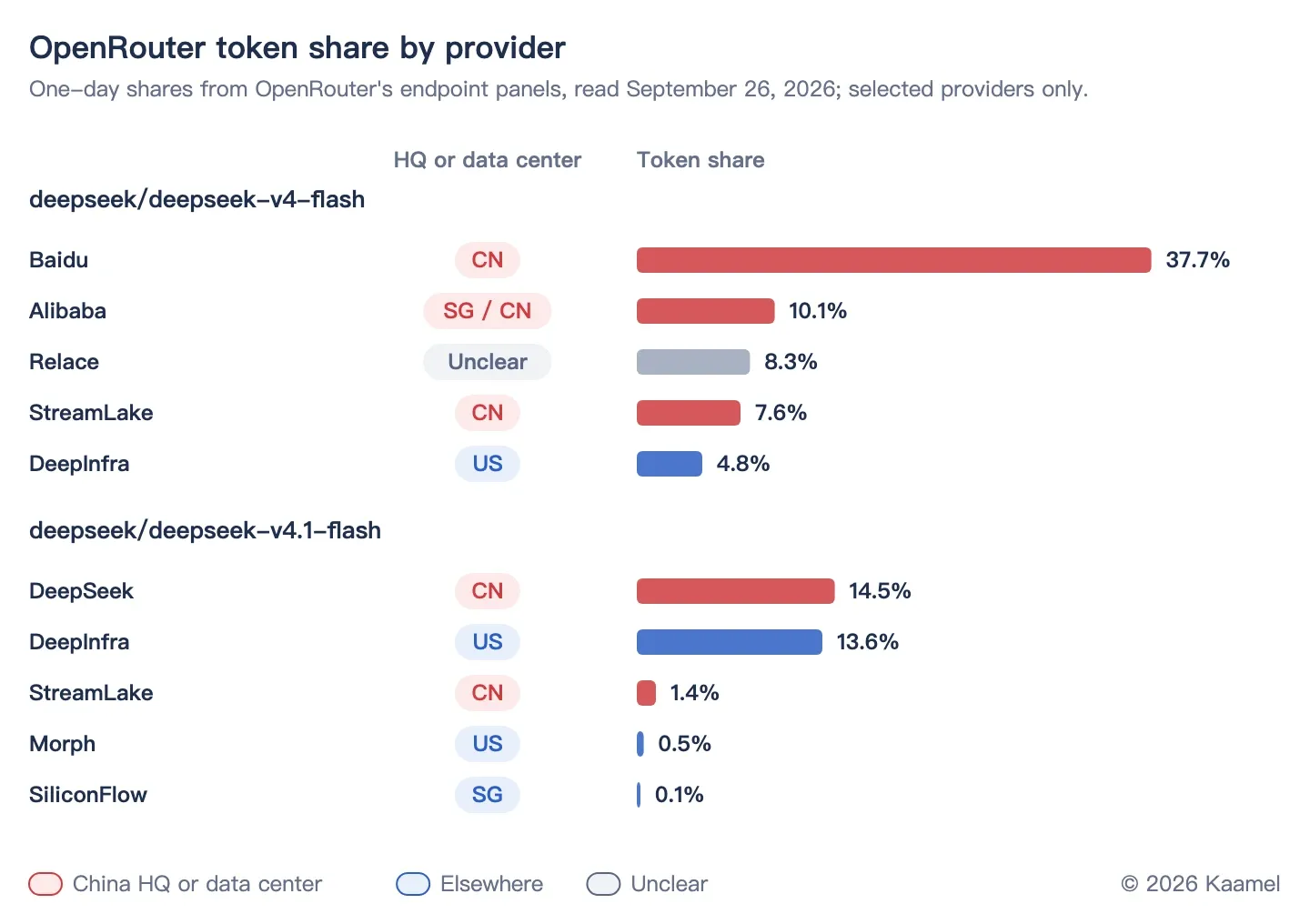
AI Gateway Privacy: Your Prompts Can Reach China and Train Models
On OpenRouter, DeepSeek's China endpoint, labeled 'Prompt training: Yes,' served 13% to 15% of a model's tokens in one-day counts. We map who trains on prompts.
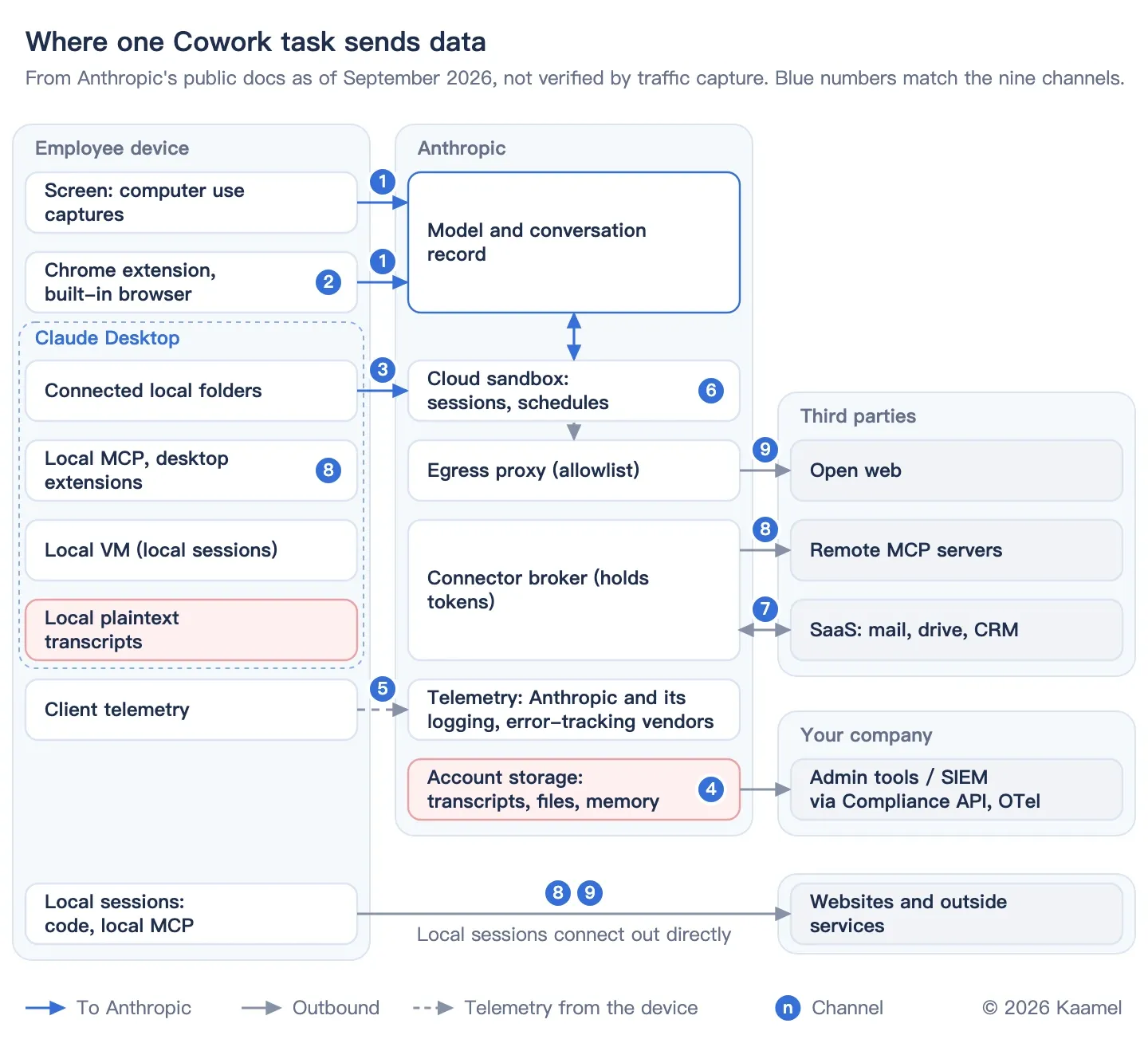
AI Agent Privacy: The Nine Data Channels Beyond the Prompt
One agent task opens nine data channels beyond the prompt: screenshots, sign-ins, local files, memory, MCP. We trace a Claude Cowork task and compare 23 agents.
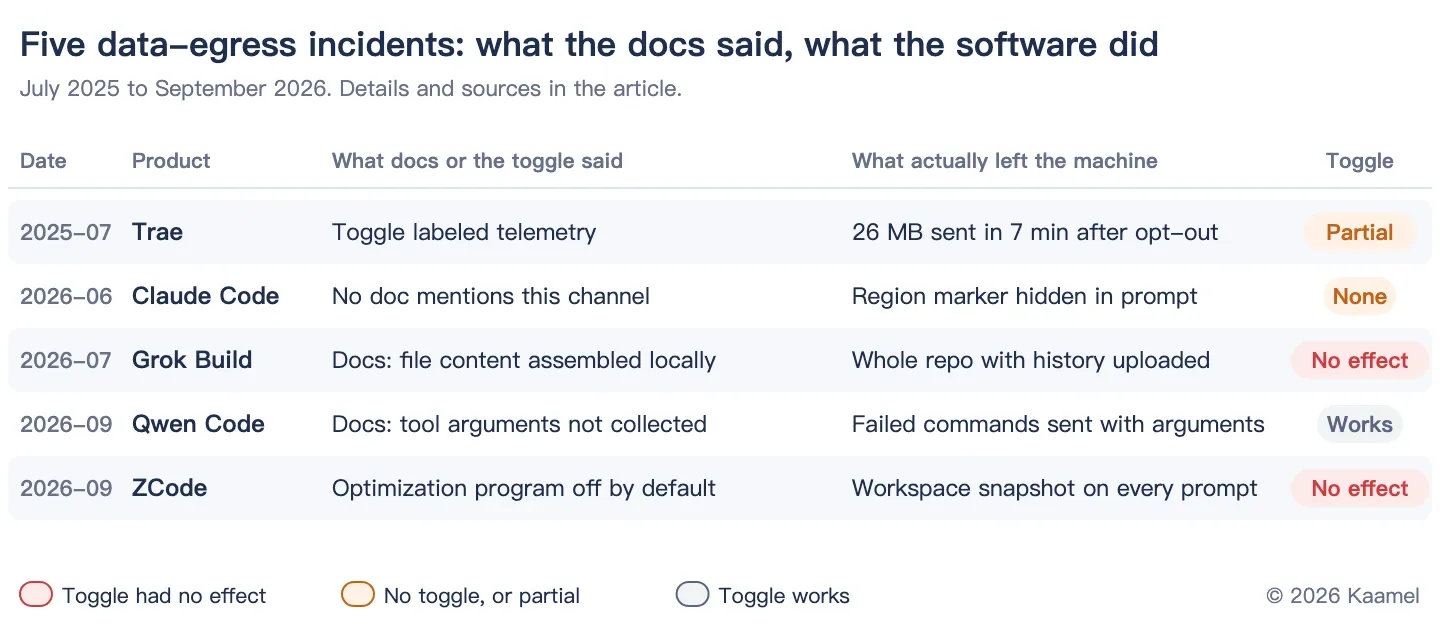
AI Coding Agent Privacy: Don't Trust the Toggle
Grok Build uploaded whole repos, ZCode shipped workspace snapshots, Trae kept telemetry on after opt-out. Each checked against its policy; 15 agents compared.